Pennsylvania Skill-Game Machines Face Oct. 13 Cutoff as New Bill Emerges
A state court deadline is forcing Pennsylvania lawmakers to revisit skill-game taxation, with a fresh 20% proposal from Rep. Russ Diamond.

This article was produced with AI assistance and edited by the ON360 newsroom.
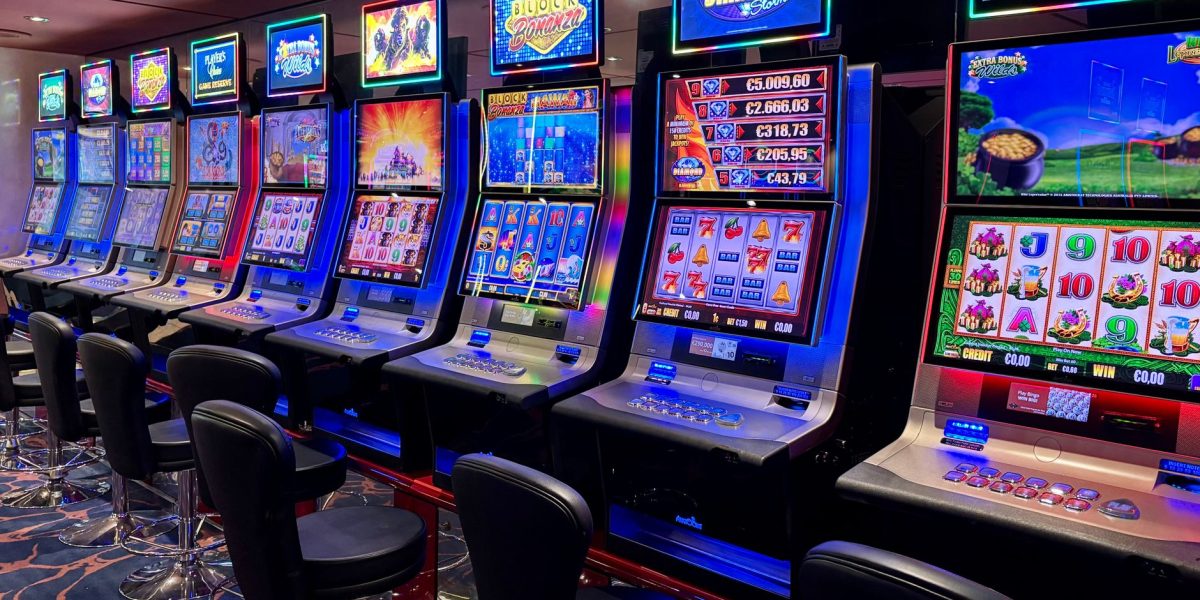
Pennsylvania lawmakers have until Oct. 13 to decide how, or whether, to regulate the tens of thousands of unregulated “skill game” machines operating across the state, after a state Supreme Court ruling this summer put their legal status in doubt. A new proposal from Republican Rep. Russ Diamond, circulated this week, would tax the machines at 20 percent while also overhauling tax rates on casino slots and online casino games.
The Pennsylvania Gaming Control Board estimates there are between 70,000 and 100,000 skill-game terminals in convenience stores, gas stations, bars and other venues across the state. Most operate outside the regulated gambling system that governs licensed casinos and their slot machines.
Court ruling started the clock
In June, the Pennsylvania Supreme Court found that Pace-O-Matic’s Pennsylvania Skill machines qualify as slot machines under the state’s Gaming Act and are subject to its criminal gambling statutes. That reversed lower-court rulings that had let the devices operate outside licensed oversight for years.
The court gave the legislature a 120-day window, ending Oct. 13, before enforcement kicks in. Judges explicitly noted that lawmakers could still pass a regulatory framework before then.
Diamond’s two-bill package
Diamond’s co-sponsorship memo, sent Monday, outlines a first bill that would tax gross terminal revenue from skill games at 20 percent. Up to five machines would be allowed at clubs, liquor-licensed restaurants and bars, and qualified truck stops. Notably, the memo sets no statewide cap on total machine numbers.
The same bill would raise the tax on casino slots and all online casino games to a flat 49.9 percent. Casino slots currently pay between 48 and 54 percent, while online slots are taxed at 54 percent. A second bill would set up how gaming tax revenue gets distributed through the State Gaming Fund.
Under Diamond’s plan, 79 percent of that fund would go to property tax relief, 13.25 percent to the General Fund, 6.75 percent to the Race Horse Development Trust Fund, and 1 percent to the Compulsive and Problem Gambling Treatment Fund.
Previous attempts have stalled
Diamond is not the first to try. Gov. Josh Shapiro pushed a 52 percent tax with a 40,000-machine statewide cap and a five-machine-per-venue limit in his last two budget proposals. Other lawmakers have floated a 16 percent tax or a flat $500 monthly fee per machine instead.
Rep. Ben Waxman took a different tack in May with HB 2557, which focuses on consumer protections including centralized monitoring, player identification, self-exclusion, age verification and loss limits, without proposing a tax rate.
None of it made it into the $50.8-billion budget Shapiro signed in July, which left skill games out entirely. Local broadcaster ABC27 reported skepticism at the Capitol that Diamond’s broader package, which touches casino and online tax rates alongside skill games, can pass given lawmakers’ inability to agree on skill games alone.
Diamond has not formally introduced either bill and is still seeking co-sponsors. With five weeks left before the court’s stay lifts, Pennsylvania’s roughly 70,000 to 100,000 unregulated terminals remain in legal limbo.