Chicago Council Presses Bally’s to Restart Full $1.7B Casino Build Amid VGT Feud
Twenty-eight Chicago alderpersons demand Bally’s honour its host agreement after the operator paused non-gaming work, citing a video terminal dispute.

This article was produced with AI assistance and edited by the ON360 newsroom.
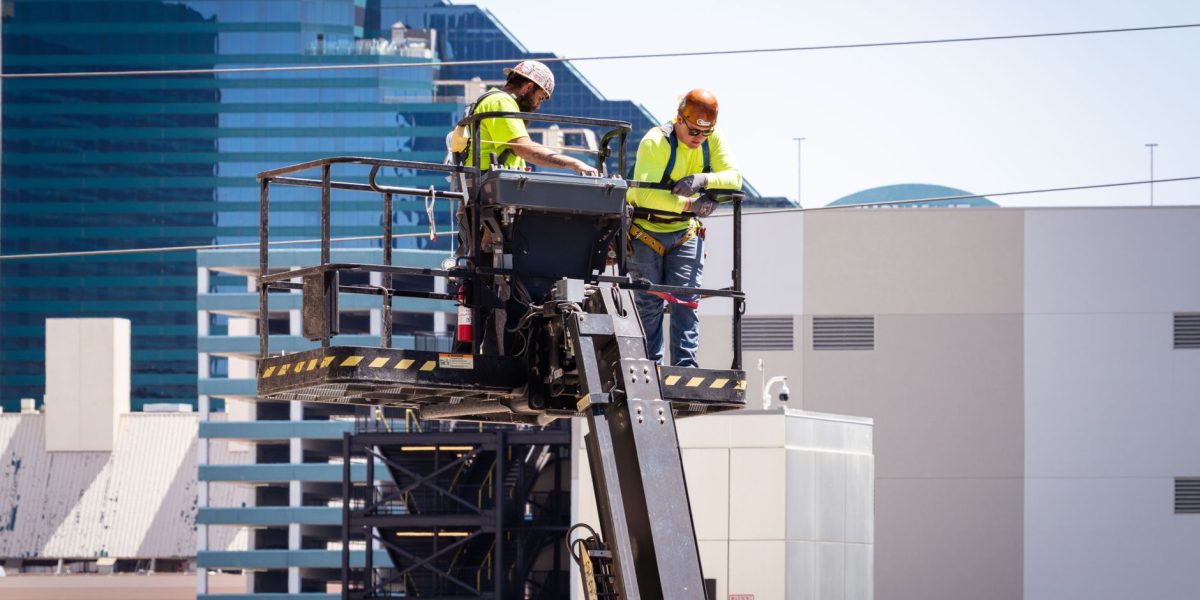
A majority of Chicago’s City Council is pushing back against Bally’s Corporation after the operator paused construction on parts of its $1.7 billion River West casino development, escalating a months-long dispute over the city’s move to legalize video gaming terminals (VGTs). Twenty-eight alderpersons signed a letter this week urging Mayor Brandon Johnson to enforce Chicago’s host community agreement with Bally’s, according to Gambling Insider, which cited reporting from the Chicago Sun-Times.
Bally’s confirmed Sunday it was “resetting the pace of construction” on non-gaming elements of the project, including its planned hotel, event centre and several restaurants. Work on the casino floor itself is continuing, and the company says the permanent property remains on track to open in early 2027.
Alderpersons say the whole project is contractually linked
The alderpersons argue Bally’s cannot separate the casino from the rest of the development it agreed to build. “Final completion… expressly depends upon substantial completion of the hotel, retail, event space, exhibition space, green space, Riverwalk and other components — not merely the gaming floor,” they wrote, per the Sun-Times. The group is threatening a public hearing and potential legal action if the city doesn’t act.
Bally’s has blamed the slowdown on the city’s decision to legalize VGTs as part of its $16.6 billion budget, a move the company says violates its host agreement and could siphon revenue from the casino. Bally’s has previously warned the change could cost Chicago as much as $74 million in annual revenue and up to 1,050 casino jobs. In June, the company retained former Mayor Lori Lightfoot’s law firm as it weighed legal action over the terminal decision.
Council members question the real motive
Several alderpersons are skeptical that VGTs are actually driving the pause, noting the city hasn’t yet issued a single VGT licence, meaning no newly authorized machines are operating in Chicago. “Many of us suspect that this is really a cash flow issue for Bally’s, and they’re trying to turn lemons into lemonade by blaming VGT as the reason they’re slowing down construction,” Ald. Brendan Reilly said, according to the Sun-Times.
Ald. Anthony Beale, a longtime VGT-legalization advocate, made a similar point: “We believe they don’t have the cash flow, and they’re blaming VGTs that are not even operational in the city of Chicago.” Not all council members agree with that assessment — Ald. Walter Burnett, whose ward includes the development, said he believes Bally’s is acting within its legal rights, arguing companies are entitled to reassess costs if projected revenue looks uncertain.
The city projects roughly $6.8 million in revenue from licensing VGTs, a fraction of what slot revenue generates given the terminals are taxed at a much lower rate. Mayor Johnson has opposed the VGT legalization on similar grounds and said he expected Bally’s response.
Financial pressure adds to the picture
Bally’s Chicago project has already faced an $800 million funding gap, changes to its hotel plans and delays pushing its opening into 2027. According to SEC filings, Bally’s secured a conditional waiver of a leverage covenant from lenders in May and amended its Deutsche Bank credit agreement again on July 29. Under the waiver, the company must maintain at least $325 million in liquidity at the end of the second and third quarters of 2026.
Bally’s has not attributed the construction slowdown to financial constraints. In a statement, the company said: “We have held up, and will hold up, our end of the bargain.” Council members previously flagged that Bally’s temporary casino in Chicago has underperformed initial tax-revenue projections, adding further scrutiny to the operator’s finances as the dispute plays out.
The standoff underscores the financial and regulatory pressures large land-based casino developments can face even after licences are secured — a dynamic Canadian jurisdictions weighing new gaming venues or host agreements will be watching closely.