Florida Seizes Thousands of Illegal Slot Machines, But Weak Penalties Persist
Florida regulators report a surge in illegal gambling raids in 2025-26, but say misdemeanour penalties let operators simply relocate and reopen.

This article was produced with AI assistance and edited by the ON360 newsroom.
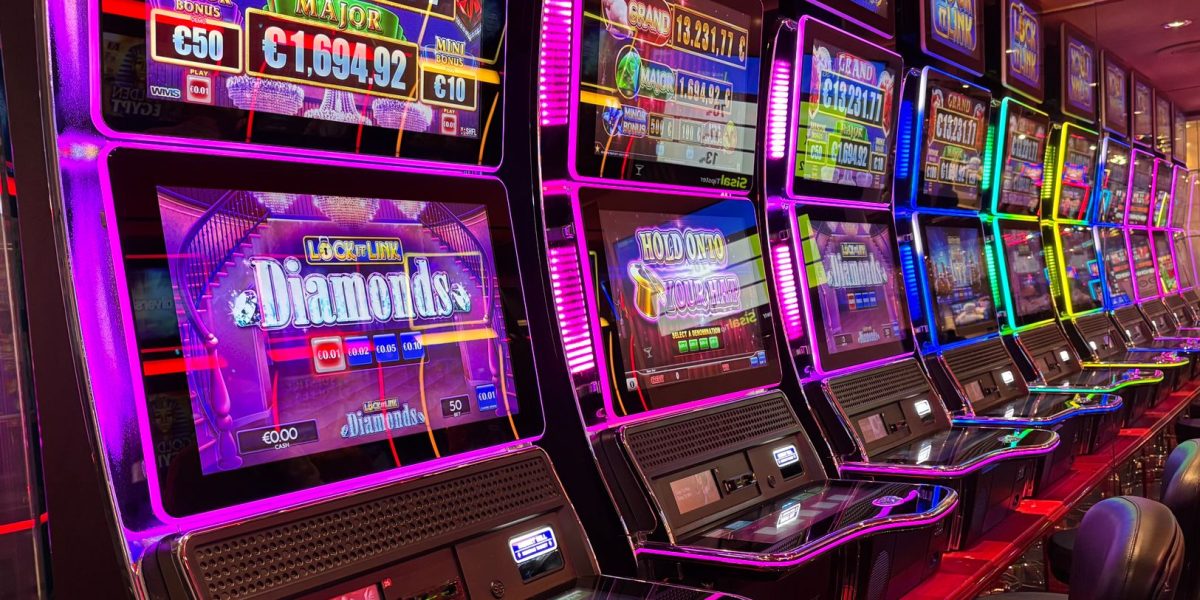
Florida’s crackdown on illegal gambling arcades intensified sharply in 2025, with regulators seizing 6,725 unlicensed slot machines and $14.47 million in illicit cash, more than five times the 1,287 machines confiscated in 2024. Enforcement has stayed elevated through 2026, but the Florida Gaming Control Commission (FGCC) says weak criminal penalties still let some operators shut down after a raid and simply reopen elsewhere.
The commission confirmed the pattern to Gambling Insider this week, calling it a persistent challenge as it prepares to push lawmakers again ahead of the 2027 legislative session. A bid to toughen penalties came close to passing in 2026 but ultimately died.
A local ordinance joins a growing toolkit
Manatee County commissioners unanimously approved a new ordinance this week targeting unauthorized simulated gambling devices, giving local authorities another lever alongside state raids. The move follows repeated enforcement actions across Southwest Florida, where illegal arcades have proven especially persistent.
Year-to-date figures provided to Gambling Insider show FGCC has seized 3,959 illegal slot machines and $3,147,069 in illicit funds in 2026. In July alone, the commission reported shutting down 184 illegal gambling arcades and making 177 arrests over the preceding 12 months.
Individual raids illustrate the scale. A June operation seized 479 machines across Lee and Collier counties, while May crackdowns took 265 machines in Manatee County and 69 in Sarasota County, with another 76 seized there in August. Bradenton lost 34 machines in July, Lake County saw 231 seized in January, a February multi-county sweep hit 39 locations for 525 machines, and two St. Petersburg arcades were stripped of 163 machines in September.
“A slap on the wrist”
An FGCC representative, identified in the outlet’s reporting as Brown, told Gambling Insider the core problem is that penalties remain misdemeanours rather than felonies. “They’re going to get a slap on the wrist and move to another location,” Brown said.
Under Section 849.23 of Florida law, a first conviction for illegal slot-machine operation is a second-degree misdemeanour. A second conviction becomes a first-degree misdemeanour, and only a third offence rises to a third-degree felony. FGCC says that structure lets some operators treat fines and confiscated equipment as an ordinary cost of doing business.
“Our agents and law enforcement partners can seize illegal machines, remove unlawful proceeds, and disrupt the immediate operation, but enforcement alone cannot create lasting deterrence when the criminal penalties do not reflect the damage illegal gambling causes within Florida communities,” the commission said.
Legislation stalled at the finish line
Sen. Jonathan Martin’s SB 1580 was the main 2026 vehicle for reform, proposing tougher penalties for gambling-house and slot-machine offences alongside new provisions on trafficking, false claims about machine legality, and disposal of seized equipment. It also included a temporary machine-surrender program.
The Senate passed the bill 34-0, but the House amended it and approved its version 82-31. The Senate never concurred before adjournment, and the bill died in returning messages. A companion effort, Rep. Dana Trabulsy’s HB 189, folded in internet gambling and fantasy sports provisions but was tabled once SB 1580 became the priority. A third bill, Sen. Jennifer Bradley’s SB 204, paired regulatory clarity for veterans organizations with escalating felony exposure but did not advance.
Florida’s grey-market problem sits in contrast with regulated jurisdictions such as Ontario, where operators licensed through iGaming Ontario must offer responsible-gambling tools including deposit limits and self-exclusion. FGCC and Attorney General James Uthmeier say they will keep pressing the legislature to close the penalty gap before the 2027 session opens.